2 Weeks in Italy: Rome, Florence, Venice and the South
Rome to Florence by Frecciarossa takes about 1 hour 25 minutes. Florence to Venice, about 2 hours. Venice to Naples, around five and a half. Italy's high-speed network means you can cross the whole boot in a day, which is exactly why most first-time itineraries fail: people try to see eight cities in fourteen days and spend half the trip on platforms. This plan uses four bases, one day trip from each, and two honest variants depending on whether you prefer pasta with tomatoes or pasta with butter.
The Shape of the Trip
- Days 1 to 4: Rome
- Days 5 to 8: Florence, with a Tuscany day trip
- Days 9 to 11: Venice, with Padua or Verona
- Days 12 to 14: Naples, Pompeii and the coast (or Milan and the lakes, see the variants)
Book an open-jaw flight: land in Rome, fly home from Naples (or Milan). Backtracking to Rome for your return flight costs you most of a day.
Days 1 to 4: Rome
Rome deserves four nights, and even that feels short.
- Day 1, ancient Rome. Colosseum, Roman Forum and Palatine Hill share one ticket, around €18 including the online booking fee. Book on the official CoopCulture site; slots open about 30 days ahead and the morning ones go first. Trevurs' "The Palatine: The Hill Where Rome Was Born" and "The Colosseum: 2,000 Years of History" cover the whole area on foot.
- Day 2, the Vatican. Vatican Museums and the Sistine Chapel in the morning (book ahead, lines without a ticket can pass two hours), St. Peter's Basilica after. Before you go, listen to "The Vatican: How the Church Built the Smallest and Most Powerful State on Earth".
- Day 3, the historic center. Pantheon (€7), Piazza Navona, Campo de' Fiori and the Trevi Fountain, where access to the basin area now costs €2. "Imperial Rome: From the Colosseum to the Vatican" ties the day together, and "Rome: Nero, the Emperor Who Burned in Memory" is the darker version.
- Day 4, your choice. The Appian Way and "Rome: the Catacombs, Where Early Christians Did Not Hide but Buried Their Dead", or Ostia Antica by regional train, or Trastevere and nothing else.
Days 5 to 8: Florence and Tuscany
Take a morning Frecciarossa or Italo to Firenze Santa Maria Novella. Advance fares start around €19 to €25; the same seat on the day can cost €80 or more.
- Day 5, the Medici city. Duomo, Baptistery, Piazza della Signoria and Ponte Vecchio. "The Medici: Money, Art and Poison" explains why a banking family ended up paying for half of the Renaissance.
- Day 6, the museums. Uffizi in the morning (about €25 plus booking fee in high season; afternoon slots are cheaper, and tickets are now nominative, so bring ID) and the Accademia for David after lunch. "Michelangelo and the Renaissance in One Walk" connects both.
- Day 7, a Tuscany day trip. Siena is about 1 hour 15 minutes by express bus, usually faster than the train. Walk "Siena: the Palio, the Contrade and the Republic That Stood Up to Florence", and if you rent a car, add Pienza and the Val d'Orcia for sunset. Prefer the coast? Pisa is an hour by regional train, with "Pisa: the Leaning Tower of a Sea Power the Sea Abandoned".
- Day 8, slow Florence. Oltrarno, San Miniato al Monte at golden hour, and "Florence: Dante and the City He Sent to Hell".
Days 9 to 11: Venice
The train to Venezia Santa Lucia takes about two hours, and you step out of the station straight onto the Grand Canal. Check whether your dates fall on a Venice access fee day: in 2026 day-trippers paid €5 in advance or €10 in the last four days on selected spring and summer days. Overnight guests are exempt but still need to register through their hotel.
- Day 9: St. Mark's Square and the basilica early, before the cruise crowds, then "Venice: 1,100 Years of a Republic Without a King or Mainland".
- Day 10: Doge's Palace and the Bridge of Sighs, with "Dark Venice: Spies, Informers and the Council of Ten" as the soundtrack. Evening: bacari and cicchetti, plus "Venice: Seven Centuries of Masks in the Republic That Regulated Anonymity".
- Day 11, day trip. Padua is 25 minutes away (book the Scrovegni Chapel ahead, visits are timed) with "Padua: the Chapel Where Giotto Taught Painting to Weep". Verona is about 1 hour 10 minutes and has "Verona: the Juliet Who Never Lived and the Lords of the Ladder Who Did".
Days 12 to 14: Naples and the South
The direct Frecciarossa from Venice to Naples runs around five and a half hours. Leave early, or break the journey with a night in Bologna ("Bologna: the Western World's Oldest University and the City That Registered Its Ragù").
- Day 12, Naples. Pizza, the historic center and "Naples: Vesuvius, Pizza and the City Underground".
- Day 13, Pompeii. Circumvesuviana train from Naples, about 35 minutes. The basic Pompeii Express ticket is €20. Walk "Pompeii: One Day Before the End", and if you still have energy, stop at Herculaneum on the way back with "Herculaneum: the Town Pompeii Overshadowed, Better Preserved and Less Visited".
- Day 14, the coast. Ferry or SITA bus to Amalfi and "Amalfi: the Tiny Republic That Ruled the Sea Before Genoa and Pisa", then back to Naples for your flight the next morning.
Variant A: The North Instead of the South
Swap days 12 to 14 for Milan (2 hours 15 minutes from Venice). "Milan: the Cathedral That Took Almost Six Centuries to Finish" and "Milan: Leonardo, The Last Supper and the Duke Who Lost Everything" cover the essentials, but Last Supper tickets sell out weeks in advance, so book that first. Add Lake Como, or Turin ("Turin: the City That Made Italy, Kept the Shroud and Built FIAT") or Genoa ("Genoa: the Merchant Republic That Lent Money to the Kings of Spain"). Fly home from Milan.
Variant B: The Deep South
If you have already seen the classics, cut Venice to one night and go further south: "Matera: the Cave City That Went from National Disgrace to World Heritage" and "Lecce: the City Carved from Stone as Soft as Wood", or fly to Sicily for "Palermo: the Norman Capital That Ruled Arabs, Greeks and Latins at Once" and "Agrigento: Sicily's Richest Greek City and the Temples Still Standing".
Small swaps that work in any version: Assisi as a stop between Rome and Florence ("Assisi: the Rich Merchant's Son Who Stripped Before the Bishop and Changed the Church"), or Ravenna's mosaics as a day trip from Bologna.
Train Tips That Save Money
- Book high-speed trains early. Frecciarossa (Trenitalia) and Italo both run the Rome, Florence, Venice, Naples and Milan corridor. Compare both; prices move like airline fares.
- Regional trains have fixed prices and no seat reservations. Paper tickets must be validated in the machines before boarding; digital ones are tied to the train.
- Watch the station names. Roma Termini, Firenze Santa Maria Novella, Venezia Santa Lucia (not Mestre) and Napoli Centrale are the ones you want.
- Pack light. You will drag your suitcase over Venetian bridges and up train steps at least six times.
What to Skip
Do not try to "do" Cinque Terre, Florence and Rome on the same day trip, do not plan the Vatican and the Colosseum on the same day, and do not book dinner within sight of a major monument. Leave one afternoon in each city with nothing scheduled: that is usually when Italy happens.
Explore Italy with Trevurs
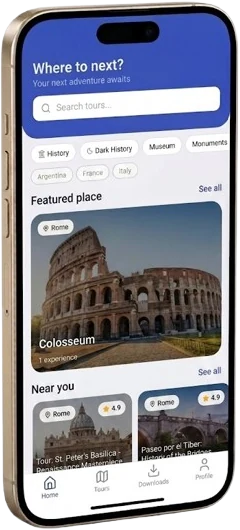
Every stop on this itinerary has a free Trevurs audio tour: Rome, Florence, Siena, Pisa, Venice, Padua, Verona, Bologna, Naples, Pompeii, Herculaneum, Amalfi, Milan and beyond. Download them before you leave, since they work offline on trains and in places with no signal, and walk each city at your own pace with the story in your ear.