Milan Shopping Guide: Where to Buy, Outlets, Vintage Markets & Stores
Milan Shopping: Beyond the Obvious Tourist Brands
Milan shopping is not just Gucci and Prada. Milan is vintage, thrift, independent designers, street markets, outlets, and hidden gems where locals actually shop.
This guide covers where to shop like a Milanese—not like a tourist.
The Districts
Quadrilatero d'Oro (The Luxury Zone)
What: Gucci, Prada, Louis Vuitton, Armani, Dolce & Gabbana
Why go: If you're buying luxury, the flagship stores are here. Otherwise: look, don't buy.
Reality: Window shopping is free. The prices are the same as everywhere. No bargains.
Best for: Seeing how luxury is displayed, understanding Italian design philosophy, feeling rich (momentarily)
Pro tip: Window shopping is the activity. Then eat at a nearby café for €3 espresso and feel superior.
Brera (Independent Designers, Concept Stores)
What: Young designers, concept stores, galleries mixed with boutiques
Best stores:
- Antonia Lualdi (curated selection, Italian + European brands)
- Philosophy (affordable Italian brand, clean lines, quality)
- Small independent boutiques (browse, they're everywhere)
Vibe: Young designers, emerging brands, pieces you won't see elsewhere
Price: €30-200 per item
Pro tip: Go on a Saturday morning, browse gallery windows mixed with shops
Via Torino (Mid-Range, Fast Fashion)
What: Zara, H&M, Spanish brands, more accessible prices
Price: €20-80 per item
Vibe: Regular people shopping, no pretense, good quality/price
Via Como (Concept Stores, Young Designers)
What: Smaller stores, emerging designers, curated selections
Why: You find interesting pieces at reasonable prices (€40-150)
Vibe: Hip, young crowd, fashion-conscious but not wealthy
Vintage & Second-Hand
Vintage Markets (Regular)
Viale Papiniano (Wednesday & Saturday)
- Mixed vintage, clothes, furniture, antiques
- €5-50 per item
- Negotiate prices
- Vibe: Local market, chaotic, authentic
Navigli Antique Market (Last Sunday of Month)
- Curated vintage, antiques
- €20-500 per item
- Better quality, higher prices
- Vibe: Collectors, serious buyers, leisurely browsing
Vintage Shops (Year-Round)
Patricia M. Lento (Designer Vintage)
- Original vintage pieces, 1950s-80s
- Eames chairs, Cassina furniture, Prada bags
- €100-2,000+
- High-end vintage investment pieces
Cavalli e Nastri (Brera)
- Vintage clothing, curated
- €30-150
- Quality pieces, good condition
- Personal service
Outlets (Designer at Reduced Prices)
Near Milan (30-60 min train)
McArthur Glen Serravalle
- 200+ designer outlets
- Gucci 40% off, Armani 30% off, etc.
- Take train from Milano Centrale (50 min)
- Cost: Train €5 + outlet shopping
Barberino Outlet Village (Florence area, 2 hours)
- More outlet stores
- Prada, Ferragamo, Gucci
- Day trip possible
Markets (Everyday Shopping, Local Vibes)
Viale Papiniano: Clothes mixed with produce
Department Stores
La Rinascente (City center, via Torino)
- Department store (like Macy's)
- Multiple brands under one roof
- Price range: €20-500
- Good for one-stop shopping
Pro Shopping Tips
- Haggle at markets (Viale Papiniano, flea markets)—offers 10-20% off common
- Winter sales (January): Everything 50% off
- Summer sales (July): Similar discounts
- Independent shops rarely bargain, but quality is better
- Avoid Quadrilatero unless you're buying (prices same as online)
- Bring cash to markets (discounts for cash, smaller sellers)
What's Uniquely Milan to Buy
✓ Design pieces (furniture, lighting, home décor) ✓ Fashion from independent designers ✓ Vintage pieces (1950s-80s) ✓ Books on design/architecture/Italian culture ✓ Italian ceramics and crafts
Explore Milan Shopping with Trevurs
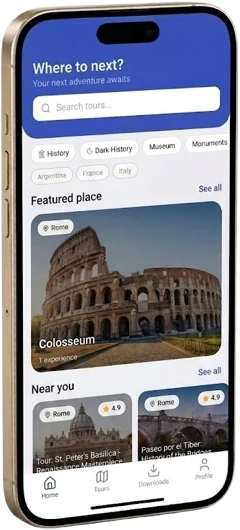
Download Trevurs to understand the neighborhoods where you're shopping. Listen to designers and locals explain why Brera is creative, why Navigli is bohemian, why design matters in Milan. Context makes shopping more meaningful—you're not just buying things, you're understanding the city that creates them.