3 Days in Barcelona: The Perfect Itinerary
2026 is not a normal year to visit Barcelona. It marks the centenary of Antoni Gaudí's death, and the Sagrada Familia's Tower of Jesus Christ has just reached its full height of 172.5 meters after more than 140 years of construction - the most significant milestone in the basilica's history since the foundation stone was laid in 1882. That context alone makes this itinerary worth planning carefully, especially around the two Gaudí sites that anchor day two.
Three days is enough to cover Barcelona's essentials without sprinting, as long as you book the big-ticket items ahead of time.
Day 1: The Gothic Quarter and El Born
Start in the Barri Gòtic, Barcelona's medieval core, where narrow stone streets open unexpectedly onto small plazas and the Barcelona Cathedral. Wander without much of a plan here - getting slightly lost is part of the point - then walk to La Boqueria, the city's most famous food market, for a mid-morning snack (go for the stalls tucked toward the back, since the ones near the entrance charge tourist prices for the same produce).
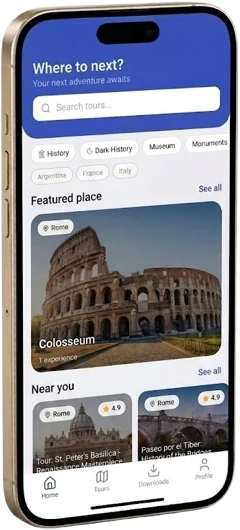
In the afternoon, cross into El Born, where the Picasso Museum and the Gothic basilica of Santa Maria del Mar sit among artisan workshops and small squares. This is one of the most walkable, atmospheric parts of the city, and also one of the easiest to misunderstand from the street alone - if you want the history behind the buildings rather than just the facades, Trevurs has a free audio tour of El Born recorded by people who live there. Spend the evening having dinner in the neighborhood; it is dense with good, mid-priced restaurants that rarely make the guidebooks.
Day 2: Sagrada Familia and Park Güell
Book your Sagrada Familia ticket weeks in advance if you can - 2026's centenary has made this the busiest year in the basilica's modern history, and same-day slots are rare. Go early, before the midday crowds, and add tower access if you are not prone to tight stairways; the views from the Nativity or Passion tower are worth the extra cost.
In the afternoon, head to Park Güell, Gaudí's other major Barcelona work. General admission covers the Monumental Zone with its mosaic salamander and the famous undulating bench, but 95% of the park is a free public space - if you are short on time or budget, the free area still delivers excellent views over the city. Finish the day with dinner in Gràcia, a former independent village that still feels like one, with small squares that fill with locals rather than tourists after dark.
Day 3: Barceloneta and Montjuïc
Spend the morning at Barceloneta beach, a former fishing quarter turned into the city's most accessible stretch of sand, and have a seafood lunch nearby - paella is genuinely good here, but check that a restaurant makes it fresh to order rather than reheating a pre-made batch.
In the afternoon, take the cable car up Montjuïc for panoramic views over the port and the city, then walk down through the gardens to the Fundació Joan Miró or the Magic Fountain, which puts on a free light and water show most evenings from spring through autumn.
Where to Eat Without Overthinking It
Barcelona does not require a reservations spreadsheet if you stay a few streets back from the main tourist routes. El Born covers dinner on day one - walk past the restaurants with photo menus out front and look for the ones full of Catalan being spoken. For day two, eat a quick, cheap lunch near Sagrada Familia before the crowds build, and save the real meal for Gràcia at night, where restaurants serve the neighborhood rather than day-trippers. On day three, skip the paella stalls directly on the Barceloneta boardwalk and walk two streets inland instead, where the same dish is fresher and notably cheaper.
Getting Around
- Buy a T-Casual card. Ten metro or bus journeys cost around €12.15, which works out to about €1.22 per trip - a significant saving over single tickets, and the card can be shared among your whole group.
- Book Sagrada Familia and Park Güell online, no exceptions. Both operate strictly on timed entry in 2026, and walking up without a reservation usually means not getting in at all.
- Walk the Gothic Quarter and El Born rather than taking transit. The two neighborhoods connect directly and are best experienced on foot regardless.
- Pack for heat and sudden shade. Barcelona summers run hot, but the narrow streets of the old town stay noticeably cooler than the beach or Montjuïc.
Explore Barcelona with Trevurs
This itinerary covers the city's essentials, but Barcelona's neighborhoods reward slower exploration than any checklist allows. Trevurs has free audio tours of El Born and other Barcelona neighborhoods, recorded by the people who actually live there. Download the app before your trip and use it to fill in the walks between the stops on this list.