Stockholm Travel Guide: Gamla Stan, the Vasa and the Archipelago
The warship Vasa sank 1,300 meters into its maiden voyage in 1628, in front of thousands of spectators, and then stayed on the seabed for 333 years. In 1961 it was raised almost intact, and today it is the best-preserved 17th-century ship on Earth. That story sets the tone for Stockholm: a city spread over 14 islands where the water is never more than a few minutes away and the past is surprisingly well kept.
How Many Days You Need
Two full days cover the essentials, three let you add the archipelago without rushing. Stockholm is compact and walkable, but the islands are separated by water, so plan by area rather than by list.
Day 1: Gamla Stan and Riddarholmen
Start in Gamla Stan, the medieval old town on a small island, with cobbled lanes, ochre facades and some of the narrowest streets in Europe (Mårten Trotzigs gränd is about 90 cm wide). Walk in early, before the cruise groups arrive around 10:00.
- Stortorget, the main square, is where the 1520 Stockholm Bloodbath took place. Look at the colorful merchant houses around it.
- Royal Palace, one of the largest palaces in Europe still used by a head of state. The changing of the guard is a free show, usually around midday (verify the schedule before you go). Palace interiors have their own ticket, so check kungahuset.se for current prices.
- Storkyrkan, the cathedral next to the palace, where Swedish monarchs are crowned.
- Riddarholmen, a tiny island just west of Gamla Stan, with the Gothic Riddarholmen Church and its iron spire, burial place of Swedish kings. It is calmer than the old town and has great views over Lake Mälaren.
End the day with a walk to Monteliusvägen on Södermalm, a short cliffside path with probably the best free view of the old town and City Hall, ideal at sunset.
Day 2: Djurgården and the Vasa
Take the ferry or tram to Djurgården, the green island that holds most of the museums.
- Vasa Museum: the main reason many people come to Stockholm. According to the museum's 2026 information, adult admission is around SEK 195 in the low season (January to April, October to December) and around SEK 240 from May to September, with free entry for visitors under 18. Opening hours are roughly 10:00 to 17:00 (8:30 to 18:00 in summer) and until 20:00 on Wednesdays outside summer. Prices differ slightly between sources, so confirm on vasamuseet.se. Plan about two hours and go at opening time to avoid queues.
- ABBA The Museum, a few minutes away on foot, is interactive and surprisingly fun even if you only know "Dancing Queen". Book a timed ticket online.
- Skansen, the world's first open-air museum (1891), with historic houses, Nordic animals and views of the city. Good for families.
- Fika: Swedes pause for coffee and a pastry every afternoon. A cinnamon bun (kanelbulle) in a bakery on Djurgården is the right way to do it.
Day 3: The Archipelago
Stockholm sits at the edge of an archipelago of around 30,000 islands. You do not need a full day trip to taste it.
- Fjäderholmarna is the closest island, about 25 minutes by boat from the city center. Craft shops, smokehouses and walking paths make it an easy half day.
- Vaxholm is a charming town with a 16th-century fortress, about an hour by boat. Waxholmsbolaget single fares run from roughly SEK 60 to 190 depending on distance, and a valid SL 24h, 72h or 7-day pass covers some of the nearer routes, though not every ferry. Verify the route on waxholmsbolaget.se or in the SL app.
- In summer, many people swim from rocks and small beaches. Bring a towel and a picnic.
Getting Around
- SL tickets (2026, verify before buying): single ticket about SEK 43 (valid 75 minutes), 24 hours about SEK 180, 72 hours about SEK 360, 7 days about SEK 470. Pay with a contactless card or the SL app, no need to queue at machines.
- Metro: the Stockholm T-bana is known as the longest art gallery in the world. Stations like Kungsträdgården, Solna centrum and T-Centralen are decorated with mosaics and sculptures. Riding a few stations to look at them is a free activity.
- From Arlanda airport: the Arlanda Express takes about 18 minutes and costs around SEK 340 one way. SL trains with a ticket are cheaper, but the airport station adds a passage fee of roughly SEK 157 for adults, so compare both. Airport buses (Flygbussarna) are another option.
- Walking between Gamla Stan, Norrmalm and Södermalm is easy. Djurgården is best reached by the Djurgården ferry from Slussen or Gamla Stan in summer, or by tram.
When to Go and What to Skip
- Summer (June to August) brings long daylight, outdoor terraces and swimming, but also higher hotel prices and crowds. Midsummer is a big local holiday, so many places close.
- Winter is dark and cold but cheap, with Christmas markets in Gamla Stan and a cozy atmosphere. Sunset can be before 15:00 in December.
- Skip the overpriced restaurants on the main Gamla Stan tourist street. Walk one block off and you will find better food at better prices.
- Budget tip: Stockholm is expensive. Lunch specials (dagens rätt) at many restaurants cost much less than dinner. Tap water is excellent, so carry a bottle.
- Sweden is almost cashless. Bring a card.
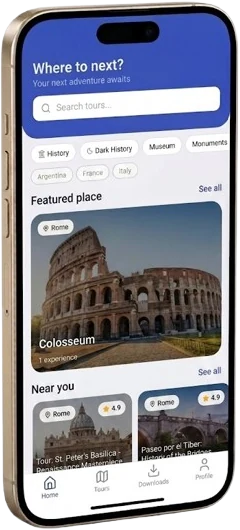
Explore Stockholm with Trevurs
Walking around Stockholm is better when someone tells you the stories behind the facades. Trevurs has a free, self-guided audio tour that works offline: Stockholm: ABBA, Nobel and the Empire Nobody Remembers. It connects the pop music, the Nobel Prize and the forgotten Swedish empire that once controlled the Baltic Sea. Download the app, save the tour before you leave your hotel, and follow the route at your own pace.