Rio de Janeiro Travel Guide: Beaches, Christ the Redeemer and Staying Safe
Rio de Janeiro was the capital of a European empire, which is a strange thing to say about a city in South America. In 1808 the Portuguese court fled Napoleon and moved here, turning a colonial port into the seat of the Portuguese crown. That history is still visible in the old center, but most visitors come for something else: granite peaks that drop straight into the sea, and beaches in the middle of a city of six million people.
How many days and where to stay
Plan 4 to 5 days. Three works if you only want the big hits. The city is long and spread out, so base yourself well:
- Copacabana and Ipanema: the classic choice. Beach in front, restaurants and metro nearby, plenty of hotels at every price.
- Leblon: quieter and a bit pricier, very good for walking in the evening.
- Botafogo and Flamengo: cheaper, local feel, close to Sugarloaf and the metro.
- Santa Teresa: hilltop charm and views, but better as a day visit than a base if it is your first trip.
The big sights, in a smart order
Christ the Redeemer (Corcovado). The statue stands 30 meters tall on an 8 meter pedestal, 710 meters above the city. You can go up by the cog train through the Tijuca Forest, or by an official van. Prices change often: the train has recently been quoted at around R$134 for adults, vans at roughly R$100 to R$130 including entry. Verify on the official sites before you buy, and book a timed slot in advance. Go early in the morning, when clouds are less likely to cover the statue, and check the live webcam before you commit.
Sugarloaf (Pão de Açúcar). Two cable cars take you first to Morro da Urca and then to the 396 meter summit. A standard ticket has recently been listed at around R$205 for both stages, but sources disagree, so check bondinho.com.br. The best time is the hour before sunset: you see the bay in daylight, then the city lights come on. Buy a timed ticket to skip the line.
Selarón Steps and Lapa. Chilean artist Jorge Selarón covered a staircase in tiles from dozens of countries. It is free and takes 15 minutes. The nearby Lapa Arches are the heart of Rio nightlife, best on a Friday or Saturday.
Santa Teresa and the old center. Take the yellow tram or a ride up the hill, then walk down to Centro: the Theatro Municipal, the Confeitaria Colombo (a 1894 tea house), and the Royal Portuguese Reading Room, which looks like a cathedral of books.
Tijuca National Park. One of the largest urban forests in the world. The cascades and short trails are an easy half day away from the beach.
Beaches, with some rules of thumb
Copacabana is long, busy and fun. Ipanema is more stylish and popular at sunset, when locals applaud the sun going behind Dois Irmãos. Leblon is calmer. For fewer crowds, take a taxi or ride-hailing car to Prainha or Grumari, about 40 minutes away.
Swim near a lifeguard post and pay attention to the flags. Rip currents are real on the open beaches. Vendors will bring drinks, grilled cheese and sunglasses to your towel, so carry small bills and agree on prices first.
Staying safe without losing your mind
Rio is a big city, and millions of tourists have a great time every year. A few habits make it much easier:
- Phone out only when needed. On the beach, in crowded streets and on the metro, avoid holding it up. Step into a shop to check maps.
- Bring only what you need to the beach: a bit of cash, one card, a towel. Leave passports and spare cards at the hotel (carry a photo of your passport).
- Use the metro and ride-hailing apps for longer trips, especially at night. The metro is clean, cheap and covers Copacabana, Ipanema, Botafogo and the center.
- Skip empty streets at night, particularly in Centro on weekends and around Lapa after the crowds thin out.
- Do not wear flashy jewelry or watches, and keep bags zipped and in front of you.
- Favela visits: only go with a reputable local guide or community organization, never on your own, and ask your hotel what areas to avoid that week.
- Check local news and your embassy's advice before you go, since conditions change.
Food and getting around
Order a pastel at a street fair, açaí with granola on the beach, and a plate of feijoada on Saturday, when most restaurants serve it. Many places charge by weight at lunch. Tap water is generally not recommended for visitors, so drink bottled or filtered water.
Rio is easier than it looks. The metro and light rail handle most of the central distances, and ride-hailing apps fill in the gaps. The airport is about 20 km from Ipanema and a ride takes 40 to 60 minutes depending on traffic.
When to go
December to March is hot, humid and busy, with Carnival peaking in February or March. April to June and September to October are the sweet spot: warm, drier and cheaper. Rain can cut off views at Corcovado at any time of year, so keep one spare day in your plan.
Explore Rio de Janeiro with Trevurs
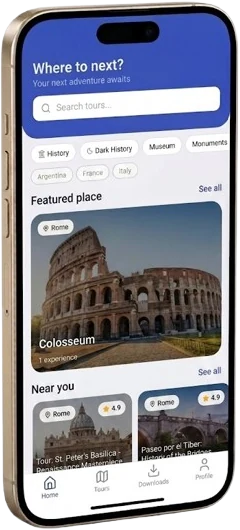
Trevurs has a free, self-guided audio tour of the city: The European capital that never should have existed in America. It walks you through the story of how a colonial port became the seat of an empire, and it works offline, so you can listen without burning roaming data. Download Trevurs, grab the tour before you leave the hotel, and let the stories fill the gaps between the postcards.