Petra Guide: Jordan Pass, Petra by Night and How Many Days You Need
The Treasury, the rose-red facade everyone knows from photos, is not a treasury and nobody knows for sure who it was built for. It is most likely a Nabataean royal tomb from around the 1st century, carved into sandstone by people who never saw it as a postcard. The first surprise of Petra is that this icon is only the beginning: the ancient city spreads over a huge area, and most visitors never see more than a fraction of it.
Tickets and the Jordan Pass
The Jordan Pass bundles your tourist visa fee (waived if you stay at least three nights in Jordan) with entry to Petra and about 40 other sites. The Petra tier you pick sets the price: around 70 JOD for one day at Petra (Wanderer), 75 JOD for two days (Explorer) and 80 JOD for three days (Expert). Buy it online before arriving and check the official site for current prices.
Without the pass, a one-day Petra ticket has been about 50 JOD for visitors who sleep at least one night in Jordan, with 55 JOD for two days and 60 JOD for three. Day-trippers who do not stay overnight (for example from a cruise or from Israel) have been charged around 90 JOD. If you plan to see Petra plus Wadi Rum or Jerash, the pass usually pays for itself.
How many days do you need?
One day is enough for the classic route: the Siq, the Treasury, the Street of Facades, the Royal Tombs and the Colonnaded Street. Expect around 8 to 10 km of walking and 6 to 8 hours.
Two days is the sweet spot. Day one covers the main valley, day two the Monastery and a viewpoint. Your legs will thank you, and the pass pricing makes the second day cheap.
Three days is for hikers and photographers: the High Place of Sacrifice, Little Petra, Wadi Muthlim or the back trail from Little Petra. Most people do not need it.
Walking in: the Siq
The Siq is a narrow canyon about 1.2 km long, with walls that rise to roughly 80 m. Walk it slowly: you will notice water channels cut into the rock and worn carvings of the god-blocks, and the Treasury appears through a slit of light at the very end. Go as early as you can (the site opens around 6:00 am) to see it without crowds.
The Monastery (Ad Deir)
The Monastery is bigger than the Treasury, and far less crowded. The climb is around 800 rock-cut steps and takes roughly 45 to 60 minutes from the city center. Start early, bring more water than you think you need, and keep going: the facade appears around a corner and the view from the cliffs nearby is the real reward. Donkeys are offered along the way, but be kind to the animals and consider walking instead.
Petra by Night
On selected evenings, the Siq is lit by around 1,500 candles and visitors sit in front of the Treasury for music and storytelling. Recent sources list a ticket of about 30 JOD, separate from the Jordan Pass, with the show running on weekday evenings starting around 8:30 pm. Schedules and prices change, so verify before you go. It is atmospheric, short (about two hours including the walk) and it can be crowded. If you only have one evening, it is a nice addition. If you have limited time, prioritize the daytime sites.
Practical tips
- Best time: spring (March to May) and autumn (September to November). Summer is hot, and winter nights can be cold, with occasional rain that floods the Siq.
- Where to stay: Wadi Musa, the town at the park gate. Staying there lets you reach the entrance for sunrise.
- What to wear: sturdy shoes, a hat, sunscreen. There is almost no shade past the Treasury.
- Water and food: carry water, and plan lunch at one of the café-tents in the valley.
- Getting there: about 3 hours by road from Amman and about 2 hours from Aqaba.
- Scams and animals: agree on prices for horses, camels and donkeys before you mount. The horses at the start of the Siq are often included in the ticket, but the tip is not.
- Allow time to wander: half the charm of Petra is the unmarked tombs and side valleys.
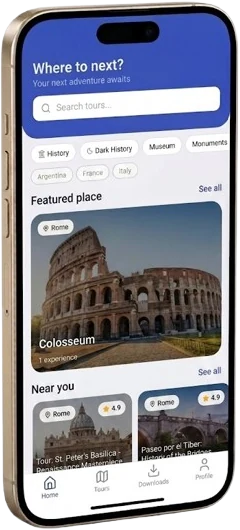
Explore Petra with Trevurs
Petra works best when you know what you are looking at. Our free, self-guided audio tour Petra: the Rose City Nobody Knew Existed walks you through the story of the Nabataeans, the city forgotten for centuries and the Swiss explorer who brought it back to the world in 1812. It works offline, so you can play it deep in the Siq without signal. Download the Trevurs app, save the tour before you go and start walking.