New York on a Budget: Free Things to Do and How Not to Go Broke
The best boat ride in New York costs exactly nothing, and it has since 1997. Before that, the Staten Island Ferry charged 50 cents; for most of the 20th century it was a nickel. The city scrapped the fare entirely, and today the big orange boats still sail past the Statue of Liberty around the clock without asking for a ticket. That sums up New York on a budget: some of its best experiences are free if you know where to look.
Here is how to do it, with real 2026 prices.
The Staten Island Ferry: Liberty for $0
The ferry leaves from Whitehall Terminal at the southern tip of Manhattan (subway: South Ferry on the 1, Whitehall St on the R/W, or Bowling Green on the 4/5). The crossing takes about 25 minutes and runs 24 hours a day, roughly every 15 to 20 minutes at rush hour and every 30 minutes late at night.
- Where to stand: on the way out, grab a spot on the right side (starboard) for the closest view of the Statue of Liberty. On the way back, head to the front or back deck for the Lower Manhattan skyline.
- The catch: everyone has to get off at St. George Terminal on Staten Island. Just walk around and board the next boat back.
- Best time: an hour before sunset. The light on the skyline is unbeatable and the boat is less crowded than at midday on weekends.
A round trip takes about an hour and replaces a paid harbor cruise. Setting foot on Liberty or Ellis Island requires a paid Statue City Cruises ticket, but for photos the free ferry does the job.
Bonus boat: on summer weekends, the Governors Island ferry from the Battery Maritime Building is free before 11 a.m. (otherwise about $5 round trip). It has hammocks, lawns and great Statue views.
Walk the High Line (and the Brooklyn Bridge)
The High Line is a 1.45-mile park built on an elevated freight railway that stopped running in 1980. It opened as a park in 2009 and runs from Gansevoort Street in the Meatpacking District to 34th Street at Hudson Yards. Entry is free, it opens at 7 a.m., and closing time changes with the season, so check before going late. Go early on a weekday: by noon on Saturdays it moves like a museum queue.
Combine it with Little Island (the floating park on Pier 55, also free) and the Chelsea galleries between 10th and 11th Avenues, where dozens of commercial galleries show museum-quality art without charging admission.
The Brooklyn Bridge walk is free too. Start on the Brooklyn side (take the A/C to High Street) so you walk toward the Manhattan skyline instead of away from it, then reward yourself in DUMBO and Brooklyn Bridge Park. Go before 9 a.m. or the promenade fills with tour groups and bikes.
Other free classics: Central Park (the Bethesda Terrace, the Mall and the Ramble), Grand Central Terminal (find the whispering gallery outside the Oyster Bar), the New York Public Library on Fifth Avenue with its Rose Main Reading Room, and the 9/11 Memorial pools, which are free to visit (the museum is not).
Museums: Pay-What-You-Wish Is Not What It Used to Be
Many guides are outdated here: "pay what you wish" now comes with fine print.
- The Met: adult admission is $30. Pay-what-you-wish is only for New York State residents (with ID) and students from NY, NJ and CT. Tourists pay full price, but the ticket also gets you into The Met Cloisters on the same day, so plan both together.
- Guggenheim: $30 regular. Recent listings show a pay-what-you-wish window on Monday and Saturday afternoons (around 4 to 5:30 p.m.). The line starts forming early, so arrive before 4 and confirm the hours on the museum's site.
- Whitney Museum: free for everyone on Friday nights (roughly 5 to 10 p.m.) and on the second Sunday of every month. Book the free timed tickets online in advance.
- MoMA: $30. The free Friday evenings are now limited to New York State residents, so as a visitor you will pay. Its sister space MoMA PS1 in Queens is reported to be free for everyone in 2026; check before you go.
- Brooklyn Museum: its First Saturdays (free evenings with music and talks) run on select months and require free registration.
Always free: the Smithsonian's National Museum of the American Indian in the old Custom House at Bowling Green (two minutes from the ferry), Federal Hall on Wall Street, and the American Folk Art Museum near Lincoln Center. The Bronx Zoo has free general admission on Wednesdays with an advance reservation.
Getting Around: Tap and Let the Cap Work
The MetroCard is gone. In 2026 you pay with OMNY: tap a contactless bank card, phone or watch at the turnstile. A subway or local bus ride costs $3.00, with a free transfer between subway and bus within two hours.
The trick for visitors: OMNY has a weekly fare cap of $35. After 12 paid rides in any rolling seven-day period, every additional ride is free. You do not need to buy anything in advance, but you must use the same card or device every time: your phone and the physical card count as different methods.
From JFK, skip the taxi (flat fare well over $70 plus tolls and tip). The AirTrain plus subway costs around $11.75 ($8.75 + $3) and takes about an hour to Midtown.
Eating Cheap Without Eating Badly
New York has some of the best budget food in the world, as long as you stay away from Times Square menus.
- Pizza slice: the legendary dollar slice is now closer to $1.50 to $2 at the cheapest spots. A regular plain slice at a good pizzeria runs about $3.50 to $4.50.
- Halal carts: chicken or lamb over rice with white sauce, around $10 to $12, enough for two meals.
- Bagels: a bagel with cream cheese is about $4 to $6 and keeps you going until lunch.
- Chinatown: dumplings for a few dollars, hand-pulled noodles for $12 to $15. Combine it with a walk through Little Italy next door.
Two things that catch everyone out: prices on menus do not include sales tax (8.875%), and at sit-down restaurants tipping 18 to 20% is expected. A $20 dish ends up costing about $26. Counter service, carts and slice shops do not require a tip.
Free Shows and Cheap Tickets
- Shakespeare in the Park: free summer performances at the Delacorte Theater in Central Park, with tickets distributed by lottery and in-person lines.
- SummerStage and Bryant Park host free concerts and movies in summer.
- TKTS in Times Square sells same-day Broadway tickets at discounts of up to 50%.
What to Skip
- Observation decks: Top of the Rock, Edge and the Empire State cost $40 or more. The free ferry, the Brooklyn Bridge and the High Line give you skyline views for nothing.
- Costumed characters in Times Square: a photo turns into a demand for "tips". Smile and keep walking.
- City passes: only worth it if you will really visit four or five paid attractions. Do the math first.
- Midtown hotels: consider Long Island City in Queens or downtown Brooklyn, one subway stop from Manhattan. Remember that hotel taxes add around 15% plus a flat nightly fee.
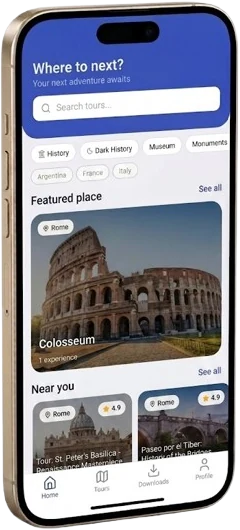
Explore New York with Trevurs
The cheapest way to understand New York is to walk it with a good story in your ear. Trevurs has free, self-guided audio tours that work offline, so you do not need data on the street. Pair the ferry with The Statue of Liberty: France's Gift That Took Twenty-One Years to Arrive and Ellis Island: the Door Twelve Million People Walked Through, then walk Wall Street: the Week in 1929 When Money Dragged the World Down and New York: the 102 Minutes of September 11 and the World That Came After. For your free park days, there is Central Park: the Wilderness That Was Built Stone by Stone, Brooklyn: the City That Voted Itself Out of Existence and Became World Famous and Chinatown and Little Italy: When Manhattan Was a Patchwork of Villages. Download them before you go and let the city tell you its secrets for free.