New York Neighborhoods: Where to Stay and Which Ones to Walk
In Greenwich Village, West 4th Street crosses West 10th Street. That should be impossible, and in most of Manhattan it would be. In 1811 the city drew its famous street grid over the island, numbered streets running river to river in neat order. The Village was already there, a country hamlet with crooked lanes, and it refused to be straightened. Two centuries later, the corner is still there to confuse visitors.
That small detail sums up how New York works. It is not one city but a patchwork of villages that grew into each other, and each one kept its own character. The neighborhood you sleep in shapes your whole trip: how much you walk, what you eat, how loud your nights are and how much you spend. Here is how to pick.
First, the Money: What a Night Really Costs
New York is one of the most expensive hotel markets in the world. According to the New York State Comptroller, the average nightly rate in 2025 was about $334, a record. As a rough guide for 2026 (always compare dates, because prices swing wildly by season):
- Budget: around $150 to $250 for a small, clean room, usually in Midtown West, Long Island City or a hostel.
- Mid-range: around $250 to $400 in most of Manhattan and the nicer parts of Brooklyn.
- Upscale: $450 and up, easily $700+ in December.
Then add taxes: roughly 14.75% plus about $3.50 per room per night, and many hotels tack on a "destination" or "facility" fee of $25 to $45 a night. Check the final price before you click book. January and February are the cheapest months; December and early summer are the most expensive.
About Airbnb: since September 2023, the city's Local Law 18 only allows stays under 30 days when the host lives in the unit and is present, with no more than two guests. Entire-apartment listings for short stays are mostly gone, and those that remain are risky. A reform has been debated, so check the current rules before you count on a rental.
Midtown and Times Square: Convenient, Not Charming
Personality: neon, crowds, Broadway theaters and office towers. It is the geographic center of almost every first-timer's list.
Stay here if: it's your first visit, you have a short trip or you plan to see several shows. Nearly every subway line passes through, and you can walk to the Empire State Building, Rockefeller Center and the theaters.
Skip it if: you want a neighborhood feel. Restaurants around Times Square are mostly chains and tourist traps. Midtown West (Hell's Kitchen, around Ninth Avenue) is a better base: same access, cheaper rooms, far better food.
Budget level: everything, from pod hotels to luxury towers. Most good-value hotels in Manhattan cluster between 34th and 50th Streets on the West Side.
Lower Manhattan: History and Quiet Weekends
Personality: the oldest part of the city, where New Amsterdam began. Wall Street, the 9/11 Memorial, the ferries to the Statue of Liberty.
Stay here if: you like history and quiet nights. The Financial District empties after office hours, so weekend rates can drop noticeably.
Skip it if: you want nightlife on your doorstep. It can feel dead on a Sunday evening, although Tribeca and the Seaport are livelier.
Greenwich Village and the West Village: The Postcard
Personality: brownstones, tree-lined streets, jazz clubs, tiny restaurants. The streets that broke the grid. It was the home of the Beat poets, folk music and the 1969 Stonewall uprising that launched the modern gay rights movement.
Stay here if: you want romance, walking and dinners that go late. Couples love it.
Budget level: high. There are few hotels and they're small and expensive. Many travelers stay elsewhere and come here to walk, which is a smart move.
SoHo, Nolita, the Lower East Side and Chinatown
SoHo is cast-iron buildings and shopping, beautiful but crowded on weekends. Nolita next door is calmer, with cafés and boutiques. The Lower East Side was the immigrant heart of the city, with tenements, pickles and bars that stay open late. Chinatown and Little Italy sit side by side: dumplings for a few dollars, and a Little Italy that has shrunk to a few blocks of Mulberry Street.
Stay here if: you're young at heart, love food and don't mind noise. The Lower East Side has some of the best boutique hotels in the city for the price.
Chelsea and the Meatpacking District
Personality: galleries, the High Line, Chelsea Market, Little Island. Polished and walkable.
Stay here if: you want art and a design-hotel vibe. Expect mid-range to upscale prices.
Upper West Side and Upper East Side: Living Like a Local
Personality: residential, safe, family-friendly, sandwiched around Central Park. The Upper West Side has the American Museum of Natural History; the Upper East Side has the Met and Museum Mile.
Stay here if: you travel with kids, you're staying a week or more, or you want quiet nights. Rates are often a little lower than in Midtown for similar quality.
Skip it if: you want to stumble home from a bar downtown. It's 20 to 30 minutes by subway.
Harlem: Culture with More Space for Your Money
Personality: the neighborhood of the Harlem Renaissance, the Apollo Theater, gospel churches and soul food. Wide boulevards and beautiful row houses.
Stay here if: you want more room for less money and a neighborhood with real identity. The A, B, C, D and 2/3 trains get you to Midtown in about 15 to 20 minutes.
Brooklyn: Williamsburg, DUMBO and Brooklyn Heights
Brooklyn was its own city until 1898, and with about 2.6 million people it would still be one of the largest cities in the United States. Three areas matter most for visitors:
- Williamsburg: bars, rooftops, vintage shops and a big Hasidic community a few blocks away. The best choice for nightlife. One stop on the L train to Manhattan.
- DUMBO: cobblestones, converted warehouses and the classic view of the Manhattan Bridge framed between buildings on Washington Street. Pricey, but magical at night.
- Brooklyn Heights: leafy, historic and quiet, with the Promenade overlooking the Manhattan skyline. Great for couples and families.
Stay here if: it's not your first trip, or you prefer a neighborhood to a tourist zone.
Budget Picks: Long Island City and Beyond
Long Island City in Queens is the classic money-saver: new hotels, skyline views and one or two subway stops from Midtown on the 7, E, M or N/W. Rates are often 20 to 40% lower than across the river. Astoria has Greek tavernas and a local feel. Just check that your hotel is within a five-minute walk of a station.
Quick Picks by Traveler Type
- First trip, 3 to 4 days: Midtown West or Hell's Kitchen.
- Couples: West Village, Brooklyn Heights or DUMBO.
- Families: Upper West Side or Upper East Side.
- Nightlife and food: Lower East Side or Williamsburg.
- Tight budget: Long Island City, Harlem or a Midtown hostel.
- History lovers: Lower Manhattan.
Getting Around
The subway costs $3 per ride in 2026. Just tap a contactless card or phone at the turnstile (OMNY); MetroCard has been retired. After 12 paid rides in seven days on the same card, the rest of that week is free, which works out to a cap of about $35. Use one card per person.
Explore New York with Trevurs
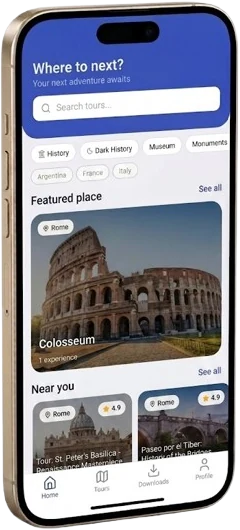
Trevurs has free self-guided audio tours that work offline, built for exactly these walks. In Greenwich Village, try "Stonewall and Greenwich Village: the Night That Changed Civil Rights". Downtown, combine "Chinatown and Little Italy: When Manhattan Was a Patchwork of Villages" with "Five Points: the Most Feared Neighborhood of 19th-Century New York". Uptown, walk "Harlem: the Neighborhood Where Black Culture Reinvented America". Across the river, choose between "Brooklyn: the City That Voted Itself Out of Existence and Became World Famous" and "Williamsburg: Hasidim, Hipsters and the Brooklyn Nobody Quite Understands". And if you end up in Midtown, "Times Square: A Century of Spectacle, Decay and Makeover" will make you look at the neon differently. Download them before you leave and explore every neighborhood at your own pace.