Jerusalem Old City Guide: Four Quarters in One Day
The Old City of Jerusalem covers about 0.9 square kilometers (0.35 sq mi), yet it holds the holiest site of Judaism, the most important church of Christianity and the third holiest mosque of Islam, all within a few minutes' walk of each other. That density is the whole point: you can cross four quarters in a single day, but only if you plan the order.
Before you go: check your government's official travel advisories and local news right before and during the trip. The security situation in the region can change quickly, and access to some sites can be restricted without notice.
How the Old City is organized
The walled city is split into four quarters: Jewish, Christian, Muslim and Armenian. Seven gates are open today. Jaffa Gate is the easiest start if you arrive from West Jerusalem (the light rail stops nearby), and Damascus Gate is the liveliest entrance into the Muslim Quarter. Wear comfortable shoes: the streets are stone, steep and often stepped.
A one-day route that works
Morning: the Western Wall and the Jewish Quarter. Start early at the Western Wall Plaza, open 24 hours a day and free. Dress modestly, and expect separate men's and women's sections. If you want the Western Wall Tunnels (a guided walk along the wall's hidden length), book in advance on the official Western Wall Heritage Foundation site, since walk-ins are generally not possible. Expect to pay roughly 40 NIS, but verify the current price. Then wander the Cardo, the restored Roman main street, and the Jewish Quarter alleys.
Temple Mount / Haram al-Sharif. Non-Muslims can usually enter through a separate ramp near the Western Wall Plaza, but only during limited morning and afternoon windows, and it is closed to non-Muslims on Fridays, Saturdays and Muslim holidays. Rules, hours and security checks change often, and the site is sometimes closed entirely, so check the day before. Dress modestly, and know that non-Muslims cannot enter the Dome of the Rock or Al-Aqsa Mosque buildings themselves. The Dome's golden roof is visible from almost everywhere in the city, so you will not miss it.
Midday: the Muslim Quarter and the Via Dolorosa. Walk the markets (souks) for spices, sweets, coffee and the smell of fresh bread. The Via Dolorosa follows the traditional route of Jesus's last walk, with nine of its fourteen stations on the street and the final five inside the Church of the Holy Sepulchre. Keep your valuables close in the crowded lanes and agree on prices before buying anything.
Afternoon: the Church of the Holy Sepulchre. Revered by Christians as the site of the crucifixion, burial and resurrection, it is shared among several denominations, and it has been guarded for centuries by two Muslim families who hold the key. It is typically open from early morning until evening, with seasonal hours (check the Christian Information Center). Lines for the Edicule, the small shrine over the tomb, can be long, so go at opening or just before closing.
Late afternoon: the Armenian Quarter and the Tower of David. The Armenian Quarter is the quietest, with the Cathedral of St. James and a community that has lived here since at least the 4th century. The Tower of David Museum is a citadel that tells the city's story in layers, and the ramparts give you a good view back over the rooftops. Expect entry of around 55 NIS, and check whether a combined ticket with the evening light show is on offer.
Practical tips
- Shabbat: From Friday afternoon to Saturday evening, much of West Jerusalem and the Jewish Quarter slows down, public transport largely stops, and many Jewish-run shops close. Friday is also the main prayer day in the Muslim Quarter. Plan around it.
- Best time: Spring and autumn are the most comfortable. Summer afternoons are hot, and the stone amplifies it.
- Getting around: The Old City is walkable and car-free in practice. Bring water, a hat and a small bag.
- Dress: Shoulders and knees covered is the safe rule for all holy sites.
- Money: Israel uses the shekel (NIS). Cards work widely, but carry some cash for the souks.
- Respect: Be quiet in prayer areas, ask before photographing people and follow staff instructions.
What to skip
Do not try to see every church. Pick one or two, and give them time. And skip the first souvenir stalls near the gates, where prices are highest.
Explore Jerusalem with Trevurs
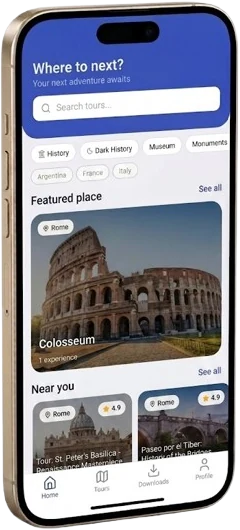
Walking the Old City with context makes the stones talk. Trevurs offers a free, self-guided audio tour, Jerusalem: Three Religions in One Square Kilometer, that works offline once downloaded, so you can follow it in the narrow lanes without roaming data. Download the app, save the tour before you leave your hotel, and go at your own pace.