Japan Etiquette: The Rules Nobody Tells Tourists
Japan has almost no public trash cans, and it isn't an oversight. Most of them disappeared from Tokyo's stations and streets after the 1995 sarin gas attack on the subway, and they never really came back. Yet the streets are spotless. The reason is simple: people carry their trash home. That small detail explains Japanese etiquette better than any list of rules. Nobody will lecture you, almost nobody will correct you, and most locals will forgive a foreigner for nearly anything. But the system works because everyone quietly does their part, and once you know the unwritten rules, the country gets much easier (and friendlier) to travel.
Here are the ones that actually matter, sorted by where you will run into them.
Shoes: The Rule You Will Meet First
The step at the entrance of a Japanese home, ryokan, temple hall or some restaurants is called the genkan. Shoes stay on the lower level; you step up in socks or slippers. If you see a raised floor, a row of shoes or a shelf of slippers, that is your cue.
- Tatami is socks only. Take off the slippers too before stepping onto straw mats.
- Toilet slippers are for the toilet. Many homes and ryokan have a separate pair waiting inside the bathroom. Walking back into the dining room wearing them is the classic tourist mistake.
- Wear socks without holes. You will be shoeless more often than you think: temples in Kyoto, castle keeps like Himeji or Matsumoto, izakaya with low tables, fitting rooms in shops.
- Slip-on shoes save time. Lace-up boots turn every temple visit into a small ordeal.
Tipping: Don't
There is no tipping culture in Japan. Leaving coins on the table often ends with a waiter running after you to return them. Good service is considered part of the price. The one gray area is a high-end ryokan, where some guests leave a small amount for the room attendant in an envelope (never loose bills), but it is entirely optional. Taxis, restaurants, hairdressers, tour guides: no tip.
Related: when you pay at a counter, put your money or card on the small tray next to the register instead of handing it over. The change comes back the same way.
Onsen and Sento: The Bath Has Its Own Rulebook
Hot spring baths (onsen) and public bathhouses (sento) are one of the best things about Japan, and they have strict, very logical rules.
- Bathing is naked. No swimsuits. Men and women are almost always separated.
- Wash before you soak. Sit on the little stool at the shower stations and scrub thoroughly. The bath is for soaking, not cleaning.
- The small towel never goes in the water. Locals fold it on their head or leave it at the edge.
- Tie up long hair so it doesn't touch the water.
- Don't swim, splash or talk loudly.
- Tattoos: many onsen still ban them, a rule tied to the old association with the yakuza. There is no law against tattoos, and policies vary a lot: some places allow small ones covered with a sticker, others welcome everyone, others refuse any ink at all. Check the website before you go, or book a private bath (kashikiri-buro) that many ryokan offer.
Trains: The Quietest Rush Hour on Earth
A packed Tokyo train at 8 a.m. can carry hundreds of people in near silence. Keep it that way.
- Phone on silent ("manner mode") and no calls. Texting is fine; talking on the phone is not.
- Keep your voice low, even with friends.
- Line up on the platform markings and let people off before you get on. Lines form neatly at painted spots for each door.
- Backpack on your front when the car is crowded, or on the rack above.
- Priority seats near the doors are for elderly, pregnant or disabled passengers. Some lines also run women-only cars during rush hour; look for pink signs on the platform.
- Eating on local trains is frowned upon. On the shinkansen and long-distance trains, a bento is perfectly normal.
- Escalators: in Tokyo people stand on the left; in Osaka, on the right. Saitama and Nagoya have actually passed rules asking people to stand still on both sides, so when in doubt, just stand and follow the person in front.
Eating and Drinking
- Don't eat while walking. It isn't illegal, but it is considered sloppy. Most people eat their street snack standing next to the stall or vending machine where they bought it. Kamakura even asked visitors, through a 2019 manners ordinance, not to snack while walking on its busiest shopping street.
- Slurping noodles is fine. It's a sign you're enjoying them.
- Chopsticks: never stick them upright in a bowl of rice and never pass food from your chopsticks to someone else's. Both are linked to funeral rites. Rest them on the holder when you're not using them.
- Say "itadakimasu" before eating and "gochisousama deshita" when you leave a restaurant. Staff will light up.
- Pour for others, not for yourself, when sharing drinks. Someone will refill your glass.
Temples and Shrines
Shinto shrines have a torii gate; Buddhist temples usually have a big gate with guardian figures and incense.
- Bow lightly at the torii and try to walk on the sides of the path. The center is traditionally reserved for the gods.
- Purify at the water basin (temizuya): ladle water over your left hand, then your right, pour a little into your cupped hand to rinse your mouth, and never drink straight from the ladle.
- At a shrine: two bows, two claps, a short prayer, one final bow. At a temple: no clapping, just a quiet prayer with hands together.
- Photography: many halls forbid photos inside. Look for the signs and respect them.
Streets and Neighborhoods
- Carry a small trash bag. Bins exist next to vending machines and inside convenience stores, and that's about it.
- Smoking on the street is banned in many Tokyo wards, with fines in some of them. Use the designated smoking areas.
- Blowing your nose loudly in public is frowned upon. If you have a cold, wear a mask; nobody will look twice.
- Geisha and maiko in Kyoto are not an attraction. In Gion, some private alleys are now closed to tourists, and since 2024 signs warn of a fine of around 10,000 yen for entering them. Never block, touch or chase a maiko for a photo.
- Queues are sacred. For buses, ramen shops, elevators and train doors. Cutting in line is probably the fastest way to get a real reaction.
What You Don't Need to Worry About
You don't need to bow perfectly, speak Japanese or master every gesture. A small nod of the head works as a bow, and "sumimasen" (excuse me, sorry, thank you, all in one word) will get you through most situations. Japanese people know foreigners don't know the rules. What they notice is the effort: taking off your shoes without being told, keeping quiet on the train, carrying your own trash.
Explore Japan with Trevurs
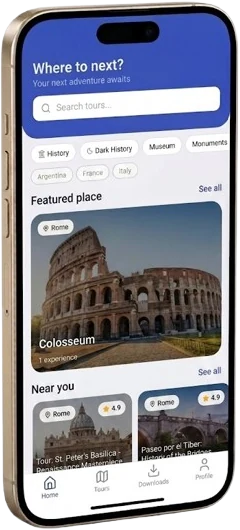
Etiquette makes more sense when you know the history behind it. Trevurs has free self-guided audio tours across Japan that work offline. In Tokyo, walk "Asakusa: the District That Burned Twice and Opened Again on Monday" around Senso-ji. In Kyoto, "Gion: the Closed World of the Geisha That Survived the Twentieth Century" explains why those alleys are closed and what goes on behind the wooden facades. Take a day trip with "Nara: the First Capital, the Giant Buddha and the Deer Who Stayed" (the deer bow too) or "Kamakura: the City Where the Samurai Took Power From the Emperor". Download them before you go, put your phone on manner mode and walk at your own pace.