Havana Travel Guide: Old Havana, Money and What to Know in 2026
Havana has roughly 55,000 buildings in its historic core and a seawall, the Malecón, that stretches about 8 km along the Atlantic. Old Havana alone was declared a UNESCO World Heritage Site in 1982, and it is still one of the largest colonial centers in the Americas. It is also a city where the practical side of travel in 2026 needs real homework: cash, power cuts and patchy internet. Here is what to know before you go.
Before you land: entry basics
Cuba has been moving from the paper tourist card to an electronic visa (e-Visa), and sources disagree on dates and fees, so check the official portal (evisacuba.cu) rather than a blog. You will also need to fill in the D'Viajeros online form before arrival, which gives you a QR code for check-in and immigration. Expect to give a Cuban address for your stay, a passport valid for around six months and, according to several guides, travel insurance with medical coverage. Rules differ for US travelers, so read your own government's current advice first.
Money: bring cash and verify the rate
This is the part that surprises most visitors. Foreign bank cards often do not work, and US-issued cards generally do not work at all. Plan to carry all your money in cash, in a widely accepted currency such as euros or US dollars, in small notes.
There are two rates: an official one (around 120 pesos per dollar in recent reports) and an informal one that has been several times higher and moves constantly. Exchanging at the airport or at official CADECA offices usually gives a much worse deal. Independent trackers such as elTOque publish the informal rate. Rules and rates change quickly, so verify the current situation just before you travel and do not rely on any number printed in an article, including this one.
A practical tip: many private businesses price in dollars or euros anyway, so keep a stash of small bills for taxis, snacks and tips.
Blackouts and what to pack
Cuba has suffered repeated nationwide grid failures in 2026, linked to fuel shortages and an aging power system. Local blackouts can last hours. In practice, that means:
- Pick accommodation with a battery backup or generator if you can ask in advance.
- Carry a power bank, a small rechargeable light and a portable fan in summer.
- Keep your phone charged during the day, because Wi-Fi and mobile data often fail when the power does.
- Fill your water bottle and keep snacks, since restaurants can close at short notice.
Connectivity: download everything first
Internet in Cuba is limited and expensive. Many visitors use ETECSA prepaid data or Wi-Fi cards sold in parks and hotels, and service drops after outages. Whether an international eSIM will work on your trip is something to verify with your provider, since we could not confirm it.
The safest approach is to download before you arrive: offline maps, your accommodation address, translation packs and any audio guides. That also means saving your booking details somewhere you can read without a signal.
Where to go: the core of Havana
You do not need to see everything. A good first-timer shape is three zones:
- Old Havana (Habana Vieja): Plaza de Armas, Plaza Vieja, the Cathedral and the cobbled streets around Calle Obispo. Walk it early, before the heat and the crowds.
- Centro Habana and the Malecón: Faded mansions, laundry on balconies and the seawall where locals gather at sunset. This is the classic place to see the 1950s American cars.
- Vedado and Plaza de la Revolución: Wide avenues, the University steps, Hotel Nacional and the plaza with the iconic Che Guevara mural on the Ministry of the Interior building.
Add the Capitolio, the Gran Teatro and, if you have time, the Fusterlab area in Jaimanitas, where an artist covered a whole neighborhood in mosaics.
Getting around
Walking covers Old Havana and much of Centro. For longer trips, shared "colectivos" and classic-car taxis are common, but agree the price before you get in. Official tourist taxis cost more but are easier to trust. Do not expect ride-hailing apps to work the way they do elsewhere, and bring small bills for fares.
Eating and staying
Private restaurants called paladares and rooms in casas particulares (private homes) are the heart of the visitor scene, and they put your money directly into local hands. Supply shortages affect menus, so be flexible. Bottled water is the safe choice.
Safety and common sense
Havana is generally calm for visitors, but petty theft and street hustles exist, especially around the Malecón and Habana Vieja. Be wary of strangers offering to guide you to a "special" bar or a cigar factory, keep valuables out of sight and photograph your documents. Government travel advisories for Cuba have been changing in 2026, so check your country's latest page before booking flights.
When to go
November to April is cooler and drier, so it is the more comfortable window. Summer brings heat, humidity and hurricane season. Whatever the month, leave generous buffer time in your plans, because delays and cancellations are normal.
Understanding the city's story
Havana is hard to read without its history: the Spanish fleets that gathered here, the casino era, the 1959 Revolution and everything that came after. Understanding why the buildings look the way they do makes the walk far richer, and it is easier when the explanation is in your ear, not on a signal you may not have.
Explore Havana with Trevurs
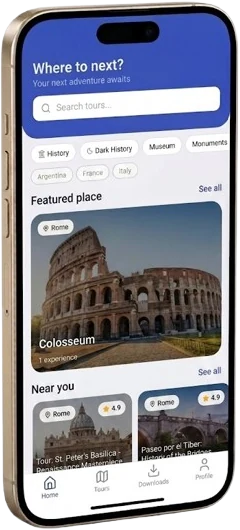
Trevurs has a free, self-guided audio tour that works offline, ideal for a city where connectivity is unreliable: Havana: The Revolution, Castro, Che and What Came After. Download it before you land, walk it at your own pace, and see the places behind the headlines with the story in your headphones. Get the app and pick it up before your trip.